Handmade Glass Baubles
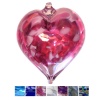
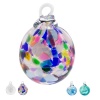
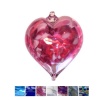
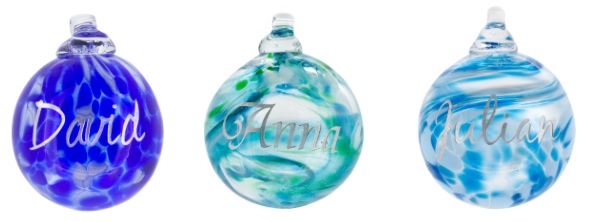
Our beautiful Lucky Glass Baubles are handmade in our glass making studio, in Bath UK.
They are available in a variety of colours, and 3 different sizes.
Each Bauble is hand signed with "Bath" and the year it was crafted and can also be engraved with a message of your choice, making a really special gift for Birthdays, Christenings, Christmas or indeed any time of the year!
CHECK THE DATE: Your bauble may not have been created this year so could have an earlier year signed on it. Please add a note at checkout if you specifically want a bauble from this year.
Please note that whilst these baubles look glorious hanging in the garden they are not guaranteed frost-proof. We therefore recommend you bring them inside at night.
How We Make Our Glass Baubles
All of our glass baubles are handmade in our Bath Studio and are crafted using traditional free-blown techniques, without the use of moulds. To find out more, visit our Glass Bauble Making page.
The Tradition of the Bauble
Apprentices used to secretly practise blowing baubles when the Master Glass Blower had gone home. Before he returned, the baubles had to be removed from the kiln and hidden away. This meant the baubles were often thrown around the workshop - many breaking in haste! The ones that didn't smash were deemed lucky and proved lucky when given to friends and family.
Blow Your Own Glass Bauble
We offer the opportunity to blow into your own glass bauble as part of our regular interactive glassblowing demonstrations - ideal for a personalised gift or at Christmas a special seasonal experience!